FEARS that the Bulahdelah bypass would spell disaster for the local economy have almost faded to a distant memory.

The 8.6km stretch of highway was officially opened in June 2013, and four years on, many businesses have reported a thriving trade.
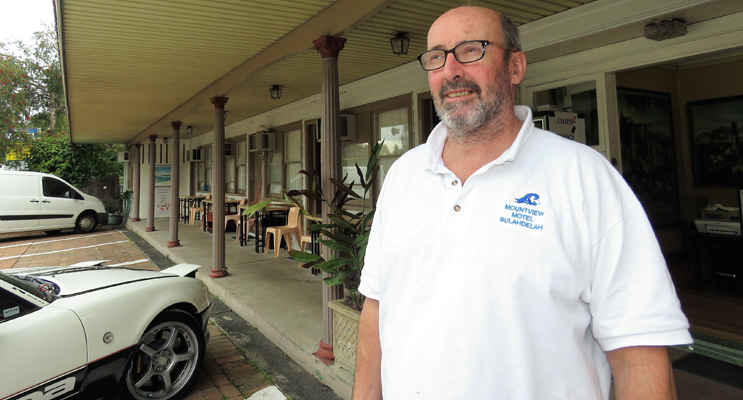
The Mount View Hotel is regularly full, and without the constant bottleneck traffic that once snaked through the town, guests are enjoying the quieter, country atmosphere.
Owner of the family-run business, Patrick Bramston, said the opening of the bypass coincided with the soaring popularity of online booking sites.
“Although there is less passing traffic, we have had an increase in business,” he said.
“We are getting more people who are using internet applications to find a place to stay before they reach here.”
Patrick said they have increased their employees’ working hours to cater for the rise in business.
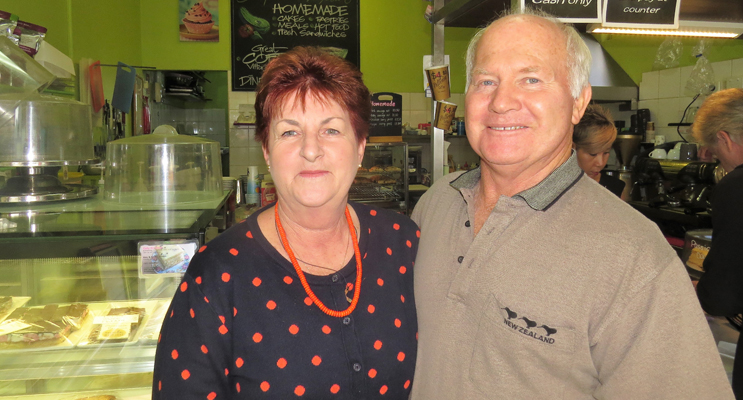
Café On Main is also thriving, with travelers making up 70 percent of their weekly trade.
Kevin and Kay Aitken, who have owned the business for 10 years, said Bulahdelah is a perfect stopping distance for people travelling through from Sydney or other areas.
“Everything is homemade and we are still busy keeping up with the demand,” Kevin said.
“We also have some regular couples coming up from Newcastle for the day, just to go to the butchers, bakers and come get some homemade goods to take home.”
Kevin said they open at 5.30am, and are busy well into the afternoon.
Figures show the number of travelers calling into the Visitors Information Centre has increased by about five percent since the opening of the bypass.
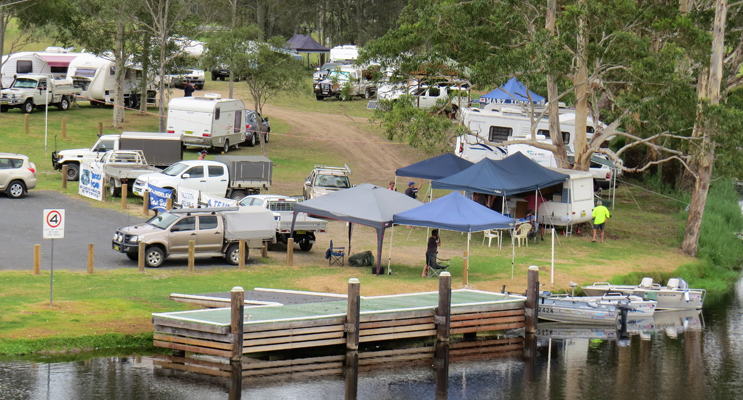
Improved public facilities and Lions Park, which caters for self-contained campers, are some the initiatives that encourage travelers to continue to stop.
But the picture is not entirely rosy, with some businesses feeling the pinch.
“Since the bypass, there has been a significant downturn in trade, I’ve never known it to be this quiet,” Newsagent Sue Chick told News Of The Area.
A few other businesses report they have cut back on opening hours due to the reduction in passing trade.
By John SAHYOUN